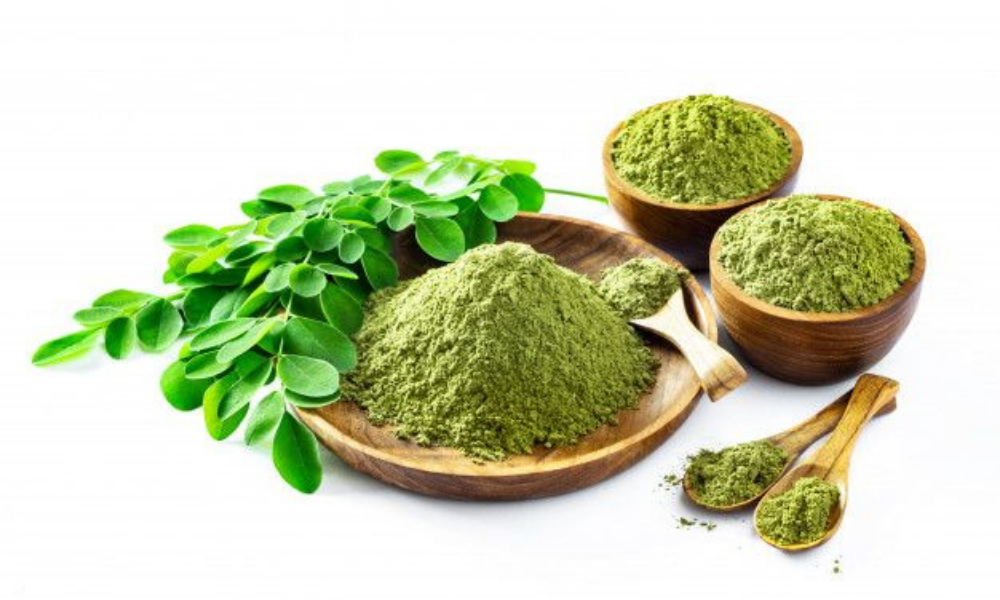
Moringa, the miracle tree, is a name that you’ve heard in many contexts about health, due to its balanced nutrition and medicinal properties. But what is moringa powder? It comes in powdered form from the dried leaves of the moringa tree branches. They are well known for their potential health properties in traditional medicine, and now they are being discovered all across the world. People can enjoy the maximum benefits of this superfood powder in their day-to-day lives when they know what benefits it can bring.
What Is Moringa Powder Made From?
Moringa powder is a supplement from the leaves of the Moringa oleifera tree, also referred to as the “drumstick tree” or “miracle tree.” Moringa oleifera is native to certain regions in Asia and Africa, and it is famed for its rich nutritional value. Once leaves are picked, they are dried at low temperatures to preserve the nutrients, and then ground into a green powder. Vitamin C, vitamin A, calcium, potassium, and iron are among the ingredients in this powder, and moringa is also known to aid digestion and strengthen the immune system because of the antioxidants and amino acids it contains.
Moringa powder can be added to smoothies, teas, even soups, and sprinkled onto food items. It is prized in plant-based diets due to being a good source of protein and having natural detoxifying effects. Like many other supplements, too much is not advisable, and those with underlying conditions and pregnant women should consult doctors before use.
What Is the Nutritional Profile of Moringa Powder?
Moringa powder is a dietary miracle and contains vitamins, minerals, antioxidants, and more. These are all important considerations for supplementing in the centric wellness space. They contain Vitamin A, which helps with eyesight and immune health, and Vitamin C to detoxify the body & to give immunity. Vitamin E counteracts by acting as an antioxidant, countering free radicals harming your cells. Calcium, iron, and potassium minerals contribute to bone structure and the function of the muscles. All these nutrients combined represent a majority of the supposed moringa powder benefits, which is well known since it is commonly sold in supplements to provide general wellness.
What Health Benefits Can You Get from Moringa Powder Consumption?
Moringa powder is derived from the leaves of the Moringa oleifera tree and is called a superfood due to its numerous health benefits. Rich in various vitamins, minerals, antioxidants, and essential amino acids that promote health. It also boosts energy, immunity, helps with digestion, and improves skin health. Its plant-based moringa’s nutritional benefits make it powerful. Due to its versatility, moringa can be readily incorporated into the daily diet to boost health.
The Moringa oleifera leaf powder is renowned for its nutritional and health benefits. Known as the “miracle tree,” Moringa is a plant that’s been used for centuries in traditional medicine, thanks to its high nutrient content, which includes a wealth of vitamins, minerals, antioxidants, and bioactive compounds. Here are 10 reasons Moringa powder is good for your health:
1. Diminishes Inflammation
Moringa powder is packed with antioxidants and anti-inflammatory agents like isothiocyanate, flavonoids, and vitamin E. These and other nutrients can help lower inflammation by blocking the enzymes and pathways of inflammation. Chronic inflammation may result in conditions like arthritis, heart disease, and obesity. Moringa powder could help reduce these problems and promote immune and joint health as well.
2. Controls Blood Sugar
Moringa powder contains chlorogenic acid and isothiocyanates, which aid in oxygen metabolism and control of blood sugar. The phytochemicals increase insulin sensitivity and restrict the consumption of glucose, which is beneficial to diabetes patients as well as those who are at risk of developing it. Studies show that moringa, as a part of a well-balanced diet and healthy lifestyle, can substantially lower fasting blood sugar.
3. Reduces Cholesterol
The rich content of plant sterols and soluble fibers, along with antioxidants found in moringa powder, may lower cholesterol levels. The nutrients help to lower LDL cholesterol and promote HDL cholesterol production. Adding moringa to your daily regimen may aid in promoting more favorable cardiovascular health and greatly reducing the risk of heart disease over time.
4. Encourages Digestive Health
Traditional methods of Ayurvedic practices combined with modern research have now acknowledged moringa powder for its rich content of fiber, contributing to a more efficient digestive system. With smooth digestion comes reduced bloating and enhanced gut health. Moringa is a mild plant stimulant for those who have more problems with digestion.
5. Potential to Prevent Cancer
Some studies have demonstrated moringa powder’s antioxidant properties, as well as chemicals like quercetin and niazimicin that exhibit strong healing properties; this makes moringa a potential nutritional daily preventive supplement to those who seek anti-cancer properties in their food, to support their holistic lifestyle.
6. Reduces Blood Pressure
Moringa powder’s potassium properties and antioxidants assist in relaxing and expanding blood vessels, leading to improved circulation. All of these factors offer the heart more benefits and value nutritionally to keep it healthy and help hypertensive patients maintain their normal blood pressure levels during the day.
7. Encourages Anti-Aging
Moringa powder contains a lot of antioxidants such as Vitamin C and polyphenols. These help to reduce wrinkles, protect skin cells, and maintain youthful and healthy skin and cells for years to come, opposing oxidative stress, collagen production, and aging.
8. Helps Prevent Non-Alcoholic Fatty Liver Disease (NAFLD)
Moringa powder helps the liver since it is shown to reduce fat deposition and oxidative stress, both of which lead to NAFLD. Its ingredients can change some of the liver enzymes and increase the activity of metabolism. It could be helpful for reducing liver inflammation and detoxification with use.
9. Brimming with Nutrients
As far as nutrition is concerned, moringa powder is a superfood owing to its content of vitamin A, vitamin C, calcium, iron, potassium, and proteins. Moreover, it has all nine essential amino acids, which makes it an exceptional plant-based protein source. These benefits promote health and immunity, day by day.
10. Bone Strengthening
The powder of Moringa contains calcium, phosphorus, and magnesium that are important for bone health and bone density. This helps to avoid osteoporosis. Moreover, the anti-inflammatory chemicals mitigate bone discomfort. Regular use of moringa powder can improve skeletal health and promote its strengthening.
11. Encourages Healthy Hair and Skin
The antioxidant, vitamin A and E, and essential amino acid content of moringa powder help to maintain firm and lustrous hair. It neutralizes the effects of free radicals, encourages collagen production, and nourishes follicles. Clearer skin, reduced blemishes, enhanced hair growth, and improved hair strength are the results.
12. Promotes Brain Health
With antioxidant and neuroprotective properties, moringa powder boosts brain health. Moreover, Vitamin E, Vitamin C, and iron contained within the powder aid memory, cognitive functioning, and oxidative stress. Therefore, improving the cognitive functioning and cognitive sharpness with age.
13. Enhances Heart Health
Moringa powder supports heart health by lowering cholesterol, high blood pressure, and inflammation. It contains antioxidants that help to protect blood vessels and improve circulation. Besides, its potassium and fiber content are beneficial for heart rhythm and blood lipid levels, making moringa a natural ally towards long-term cardiovascular wellness.
What is Moringa Powder Used For?
The growing popularity of moringa has been attributed to its various health benefits, which help to fulfill dietary requirements. It is a superfood, easy to use anywhere, anytime, and doesn’t require much preparation. We have listed the various ways of incorporating moringa into your nutrition plan to help you with this.
1. Provide Breakfast Smoothies and Juices.
- You can add moringa powder to smoothies or juices and blend it to get fuel and improve immunity.
- Mix mango, banana, or pineapple to make a healthy and green breakfast option, as it complements moringa’s taste.
- This banana-moringa-almond milk-chia seed mix is quite simple, but offers great antioxidant benefits to set a strong tone for the day.
2. On Salads and Yoghurt
- Salad or yogurt (or Buddha) bowls can be served for lunch. Moringa powder can be added as a seasoning to improve their nutritional value.
- Vitamin Los can be easily added to the food and doesn’t affect the taste of the food.
- Combine moringa with olive oil and lemon juice to make a zesty moringa salad dressing.
3. Add to Soups, Stews and Curries
- To soups and lentils or a vegetable stew, add moringa powder in the final 10 minutes.
- This will help keep the nutrients intact and add a little extra iron, calcium, and antioxidants to your meal.
- It works well with Indian dals, Thai coconut soups, or bean stews.
4. Used in Baked Goods
- Add moringa powder to bread, muffins, pancakes, or energy bars.
- Just a tablespoon makes ordinary flour-based recipes into super green snacks.
- Use moringa muffins with honey and coconut as a treat.
5. Made with Herbal Tea
- Moringa can be steeped in hot water to make a relaxing herbal tea.
- A blend of moringa powder (or pure moringa powder) and green tea (or mint leaves) can be used.
- A digestive blend that is ideal for digestion, boosting immunity, and relaxing after meals.
6. Served in Lattes and Other Beverages
- To create a smooth latte, mix ½ teaspoon of moringa with warm milk (or plant-based milk) and cinnamon and honey.
- You may also add it into protein shakes, green juices, and lemon water.
7. Natural Skincare – Face Masks of Your Own Creation
- Moringa powder has antibacterial and anti-inflammatory properties, which are ideal for homemade face masks.
- Mix moringa with honey and yogurt or aloe vera gel to make a natural face pack.
- It helps to clear acne, cleanse pores, and improve skin tone.
8. Nutrition for the Busy Person.
- On a hectic day, moringa powder can be taken with water or in the form of superfood capsules.
- This is a great way to quickly and efficiently get some nutrition in when you are in a hurry.
What Should You Know About Moringa Powder?
What can moringa powder be used for? It possesses several health benefits and is very beneficial for many things. May help produce a natural energy boost without the jitters found in coffee. It is also recommended in adults, particularly the elderly, for its rich calcium and magnesium content and its bone health benefits. It has a balancing effect on mood; deficiencies in the nutrients in moringa may exacerbate depression and anxiety.
How Do Moringa Leaves Benefit Your Health?
The moringa leaves are not just a source of nutrition; they offer a multitude of benefits. The antioxidants and bioactive compounds in moringa leaves make them a protective agent against cancer. Research has shown that these leaves can disrupt the proliferation of cancerous cells and are a natural cancer prevention agent. Secondly, they are a source of vitamin A, which is necessary for the health of the eyes; calcium and iron are nutrients that strengthen bones and promote the health of the blood. Moreover, it is fantastic for nursing mothers as moringa leaf enhances milk production. All the healing properties I have, they are my go-to for the holistic healing approach.
How Is Moringa Powder Revolutionizing Immune Health?
Moringa powder is good for overall immunity and health. It has a decent amount of Vitamin C and some amino acids, which help to strengthen immunity. The antioxidants such as quercetin and chlorogenic acid help to combat free radicals, which otherwise can cause damage to human cells. Oxidative stress may impair the function of your immune system, and moringa helps to lower this oxidative stress. Iron is also needed for the production of red blood cells, in which oxygen transport in the body takes place. It also has an anti-inflammatory effect that may have protective effects against infections and chronic low-grade inflammation.
What Are the Side Effects of Moringa Powder?
While moringa offers numerous benefits, it is important to consider moringa powder side effects as well.
1. Digestive Issues
Moringa powder can cause discomfort if used in excess, such as gas, bloating, and diarrhea. It is highly fibred and detoxifying, which can irritate the gut by stimulating it too much. Begin at a low dose, which will be better tolerated.
2. Possible Harmful Impacts
The leaves of the moringa plant are relatively non-toxic, but the roots and bark are highly toxic due to the presence of strong toxic alkaloids. Moringa, when taken in an unprocessed, improperly processed, or in large and concentrated quantities, can result in toxicity.
3. Medication Interference
Moringa may interact with drugs used for the thyroid, diabetes, and hypertension. It could also impact the effectiveness of medications consumed, and thus, it is important to seek advice from an expert doctor before taking moringa.
4. Reactions to Allergies
Moringa can cause allergic reactions in some people, but they are rare and are usually characterized by itching, swelling, or skin rashes. In case of any allergic symptoms, stop using it and consult a doctor to prevent complications.
5. The lowering of Blood Pressure
There are naturally occurring compounds in Moringa which help regulate blood pressure. This is beneficial, but excessive use can result in low blood pressure, especially if already taking blood pressure drugs, causing dizziness, faintness, or tiredness.
6. Impacts Breastfeeding and Pregnancy
Moringa should not be taken by pregnant and nursing mothers. Medical supervision will be required for the plant, as some parts such as the roots and bark can cause contractions or inhibit lactation.
7. Possible Effects on Fertility
High doses of moringa extracts have shown some evidence of an effect on hormone balance and reproductive health. Although there is still a lack of research with humans, it is recommended to avoid over-dosing for individuals who are attempting to conceive or have fertility problems.
8. Kidney and Liver Health
Moringa is a detoxifying herb, but its detoxification properties may have a negative effect on the liver and kidneys if moringa is taken in excess, particularly by those with existing disease. There is a risk of developing imbalances due to overshooting boundaries, which necessitates sound medical advice for sustained periods.
9. Intestinal Conditions
Those who have sensitive digestive systems and even people who already have a digestive disorder may find moringa powder to be aggravating. It could aggravate acid reflux and cramping, particularly if taken in large amounts or on an empty stomach.
What Does a Health & Wellness Coach Do?
Health and wellness coaches consider moringa powder a game changer. This superfood is not just a good addition to your diet; it’s a lifestyle. It supports your body and supplements a few missing nutrients that are found in most people’s diets. With the help of a well-trained health and wellness coach, you can use moringa based on your needs. This individualized approach of a skilled health and wellness expert maximizes your benefits, limits side effects, and enhances health outcomes.
Conclusion
One of the superfoods, moringa powder is versatile and is a powerhouse of nutrients. A great supplement to take daily to experience health benefits throughout the day. One of the main reasons for a more natural approach is to ensure the natural benefits of energy, mood, and heart and bone health, particularly when stacking supplements. As with all supplements, it should be used after consulting with a qualified health and wellness professional and taking into consideration one’s health.
FAQ
1. Moringa powder is a dried form of the moringa plant?
Moringa powder is dried and ground leaves of the Moringa tree (Moringa oleifera). It is a popular supplement for its rich content of vitamins, minerals, and plant compounds.
2. What are the health benefits of Moringa powder?
Moringa powder is also recognized for its nutritional benefits and could be useful in general wellness due to its antioxidant properties and the presence of vitamins, minerals, and plant nutrients.
3. How does moringa powder help to boost immunity?
Moringa powder may provide nutrients and antioxidants that can help maintain normal immune function when used as part of a diet and lifestyle.
4. What are moringa powder’s uses?
Moringa powder may be incorporated into smoothies, juices, soups, teas, or food. It can also be used as a supplement to the diet.
5. What is the recommended daily dose of moringa powder?
This can vary from person to person and from person to person with regard to their health. Follow product directions or talk to your health care provider.
6. Is there anything crucial in moringa powder?
The popularity of moringa powder as a health supplement can be attributed to its nutritional content, which includes vitamins, minerals, protein, fiber, and antioxidants.
7. Is it beneficial to take moringa powder for digestion?
Moringa powder may aid digestion as a component of a healthy diet due to its fiber content and presence of plant compounds.
8. Are there any side effects of moringa powder?
Some people may have stomach trouble or other reactions. If you are pregnant, on medication, or have health issues, please consult a health care provider.
9. Is there any problem with consuming moringa powder daily?
Many people use moringa powder in their daily diet, but some people are more sensitive to it than others. Its use in a controlled fashion is important, and recommended guidelines should be followed.
10. Can moringa powder be used as a substitute for a nutritious diet?
No, moringa powder can be incorporated into a balanced diet, but should not be used as a substitute for a diverse diet of healthy foods or medical advice.