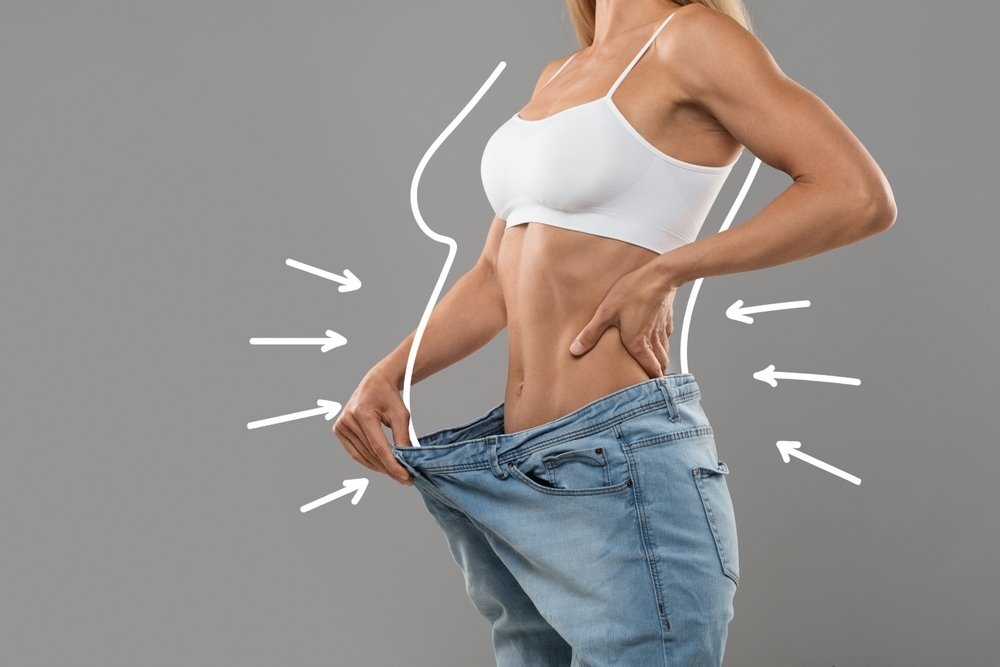
Weight loss may be a challenge in case of thyroid disease. This difficulty can be attributed to your thyroid gland, which may not be producing enough thyroid hormones, causing an endocrine disorder.
Reproductive problems, fatigue, low tolerance, and undesired weight gain are among the general symptoms that individuals with hypothyroidism cannot cope with, since they can greatly slow down their metabolic rate even with an excellent exercise regimen and a well-balanced and healthy diet.
Yet, it is not all that gloomy in the sphere of weight loss despite thyroid disorders, since lifestyle modification, eating patterns, stress management, frequent exercises, and attentive eating habits may all have a positive effect on achieving your objectives.
The secret to losing weight is accelerating your thyroid
The thyroid is an important dominant organ that is in charge of regulating the synthesis of metabolism-balancing hormones. It is only normal, therefore, to relate thyroid activities to weight changes, loss, and gain.
It is worth noting that an increase in weight is usually a culmination of a set of factors, such as an unhealthy diet and inactivity. Examining the underlying cause of your weight problems would also allow you to control the situation and determine whether there is something wrong with your thyroid.
Now, we shall learn more about the ways of increasing thyroid action and losing weight:
1) Choose good-quality proteins
A restricted protein diet can be damaging to the thyroid, which leads to an underactive thyroid. Therefore, it is important that you ensure that you take sufficient amounts of protein so that you can fight hypothyroidism. Proteins are important in aiding your metabolism and also in preventing hunger.
Moreover, adequate intake of proteins may contribute to the caloric burning and control the desire to overeat. To enjoy these benefits, ensure that you have good sources of protein (lean meat, poultry, fish, eggs, dairy products, beans, and legumes) in your diet.
2) Have a balanced diet
It is important to have a healthy and balanced diet. Be prepared to add different whole foods to your meals, such as healthy fats, lean proteins, fruits, and vegetables.
Balancing a calorie deficit to aid in weight loss is essential, but it is important not to overdo it since an extreme calorie deficiency would only slow your metabolism further.
Consumption of more fiber may be effective because it makes you feel fuller longer, which helps you to control your appetite. Increase the amount of fruits, vegetables, whole grains, and greens in your diet.
Apple cider vinegar and kombucha are fermented products that may be used to help lose weight when having thyroid problems as well.
3) Do portion control
You would be better off being aware of different portion sizes so that you could control calorie intake. Not only should you use smaller plates, but also measure your food, and also make sure that you pay attention to hunger and fullness signals.
It is, however, critical to work in collaboration with your physician or an endocrinologist who specializes in thyroid diseases. Make sure that they will assist you in deciding the appropriate treatment plan and changing the dosage of your medication when necessary.
4) Do not consume processed foods and refined sugars
It is also very advisable to prefer unprocessed foods to improve your weight management process since the nutrients in processed foods, such as fatty acids, are unhealthy, and there are additives of sugar and salt.
5) Work out and deal with stress
Regular exercise is a requirement to completely help you to shed weight. Things that you like to do and can handle, like cycling, jogging, and swimming, can also help in dealing with your weight well.
Exercise is also important in increasing your metabolism as well as in strengthening of the muscles. Strength training is a major part of the process of weight loss and health improvement.
Weight loss diets for the thyroid
Your hormone levels will dictate that a healthcare professional give you a thyroid diet. However, as a rule, it is recommended to pay attention to those meals that contain a large amount of selenium and iodine, including meat, nuts, seeds, and eggs. Fiber foods such as leafy greens and berries will also make you feel fuller, aid in the digestive process, and eliminate the bad toxins in the body.
It is better to remember that gluten, caffeine, alcohol, and millet have to be avoided because they can disrupt the work of the thyroid gland and possibly lead to inflammation.
With these food modifications and mindfulness over the types of foods you eat, you can enhance your weight loss process and help your thyroid in general.
To sum up
Weight loss in hypothyroidism takes a lot of patience and determination since one might not be able to see the big changes easily. It is important to give individual guidance and keep a close track of your progress during the course.