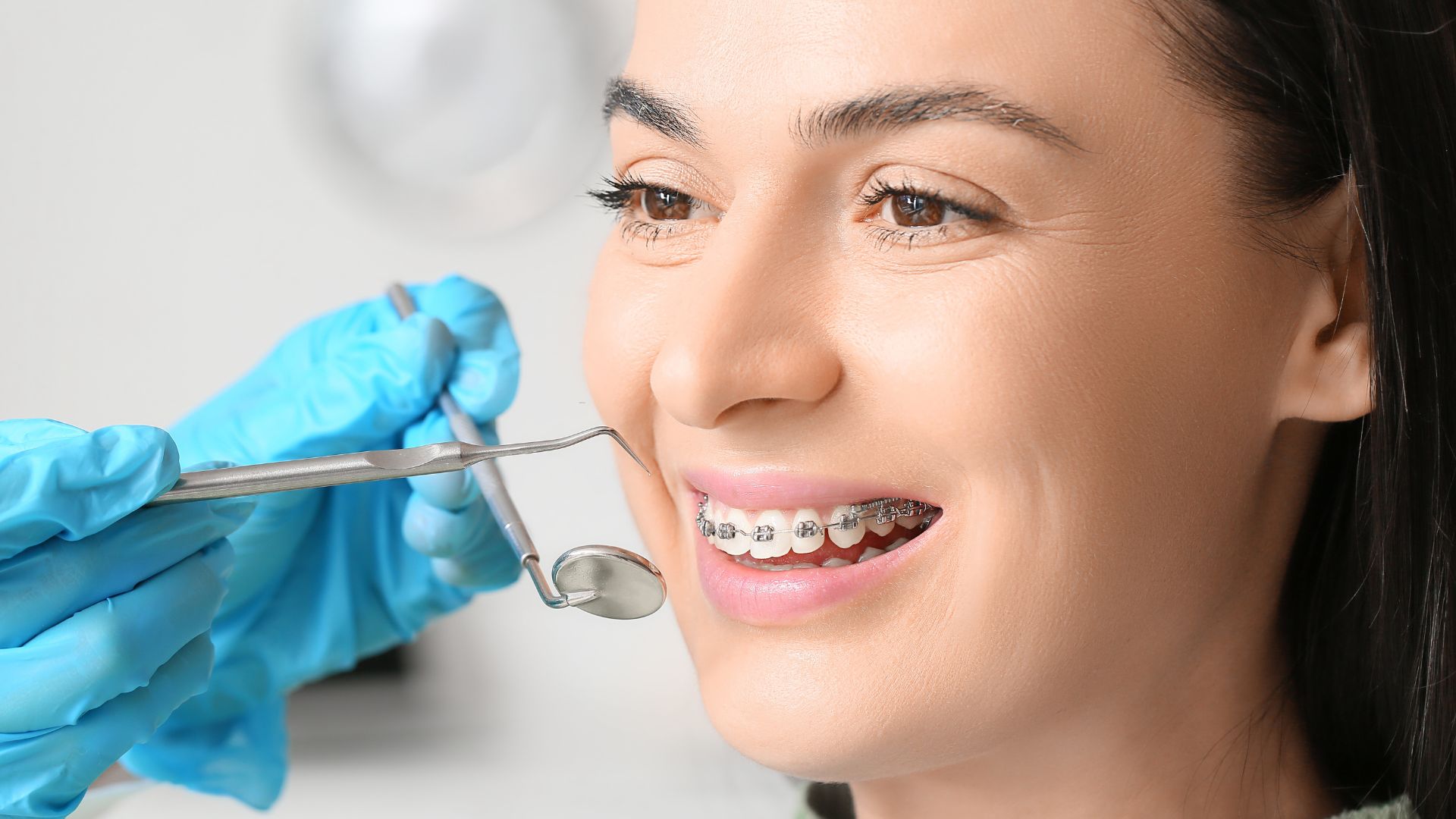
Orthodontics is a branch of dentistry that concentrates on the diagnosis and correction of issues in jaw and tooth alignment. These problems can impact dental hygiene, bite function, jaw comfort, and appearance. The needs for orthodontics change as we age due to the fact that teenagers, children, and adults are at various levels of dental and jaw development.
To this end, dentists create treatment plans that are tailored to the requirements of every age category. Orthodontic centers offer a variety of treatment options that aim to improve the appearance, function, and help maintain the long term health of your teeth. In turn, orthodontic treatment is designed in a different way for teens, children, and adults.
In the National Dental Centre Singapore (NDCS) observed that adult orthodontic patients increasing by 50% between the years 2011 between 2011 and 2017, ranging from 244 to 375. The preliminary data showed that there was a 4-5 percent increase in adult patients following 2020. Although this is indicative of increased consciousness among adult patients, the orthodontic requirements are still very different between different age groups. Children are often in need of guidance for the growth of their jaws, while teenagers require adjustments during their most developmental years. Adults may also require treatment for long-standing problems or goals for aesthetics.
How Orthodontic Care Differs Across Age Groups
Orthodontic treatment is determined by the age of the jaw and dental development. Teenagers, children, and adults all have their own requirements, time considerations, and treatment objectives. Understanding these differences can help orthodontists make adjustments to treatment that is efficient and suitable for every age group.
1. Orthodontic Treatment for Children
Childhood is an important time to evaluate orthodontics since the jaws are growing. Orthodontists might use growth-modifying appliances such as space maintainers or partial braces to tackle issues like crossbites, crowding, or bite issues. Early intervention may help promote proper jaw development and minimize the requirement for more complicated treatment later.
2. Orthodontic Treatment for Teenagers
In the teenage years, the majority of permanent teeth are in place, which makes this the most typical time to receive extensive orthodontic treatment. At this point, orthodontists are able to address issues with alignment, bite problems, and spacing issues systematically. The clear braces can be commonly used to achieve these objectives and help straighten teeth, as well as improve the bite function and improve appearance. Growing jaws are a constant process that allows orthodontists to direct jaws and teeth into more optimal places.
This time is usually the best for treatment because the high energy level of the teenager may result in greater tooth movement when compared to adults. This dentist, who provides excellent dental implants in San Antonio, adds that in addition to the clinical advantages, treating dental problems during the teen years can increase self-esteem and confidence in social situations.
3. Orthodontic Treatment for Adults
For adults, treatment with orthodontics typically focuses on correcting issues that are a result of time, like teeth that are crowded, have irregular bites, and are shifting. Modern orthodontic solutions include discreet orthodontic appliances that allow adults to receive treatment that isn’t disruptive to their everyday routines. With a customized plan, adults can boost their appearance and function at any time of their lives.
The development of jaws and teeth is different in all age groups, and orthodontists take the differences in treatment plans for adolescents, children, and adults.
How Orthodontic Treatment Is Structured
Orthodontic treatment is a simple and consistent process, which ensures that each treatment plan is appropriate to the patient’s condition and stage of development, and the treatment objectives.
1. Initial Consultation and Evaluation
The orthodontist will begin by reviewing the patient’s oral and medical history. This is followed by a thorough examination of the teeth, bite, and jaw alignment. Photos, X-rays, and digital scans can provide further insight into the position of the root as well as jaw growth patterns and general alignment. The comprehensive assessment forms the foundation of a reliable diagnosis.
2. Designing a Treatment Plan
Following the examination, the orthodontist can identify any problems that need to be corrected, for example, spacing, crowding, bite discrepancies, or jaw irregularities. They determine clear treatment goals and decide on the method that will be most effective in achieving these goals. The method chosen may include braces, aligners that are clear, or any other orthodontic appliance in accordance with the patient’s dental age, their needs, and other lifestyle factors.
3. The Treatment Phase
The dentist places the chosen appliance on the patient and then makes adjustments gradually to help guide the jaws and teeth towards better alignment. Patients are scheduled for regular sessions, where the dentist monitors progress, alters the appliance if necessary, and ensures that it is operating safely. The frequency and timing of these adjustments vary in accordance with the needs of each patient and the treatment objectives.
4. Retention and Maintaining Results
The patient moves into the retention phase following treatment. This phase ensures that teeth remain in their positions while the bone and tissues around them are stabilized. Retainers are removed or fixed, based on the requirements of the patient as well as the kind of movement accomplished. Regular follow-up appointments allow for monitoring the stability of the patient and resolving any issues related to the fit of the retainer or wear.
Orthodontic Care at PKWY Dental Specialist Practice
Patients can anticipate a well-planned procedure that includes diagnosis, active treatment, and retention, with help offered at each stage. PKWY Dental Specialist Practice combines modern methods with expert knowledge to provide orthodontic treatment that is appropriate to every patient’s requirements and stage of development. Contact PKWY Dental Specialist Practice to set up a time for an appointment.